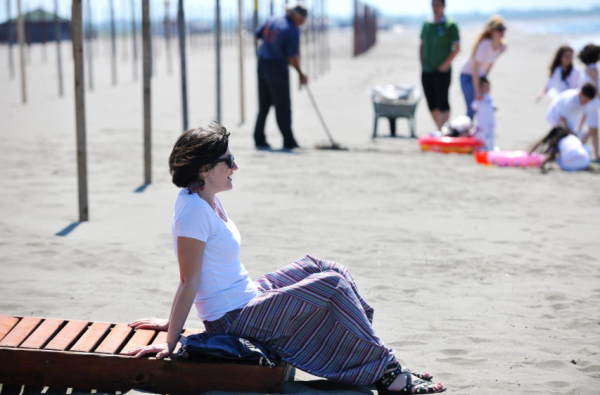
Living in Hermosa, Manhattan, or Redondo Beach has obvious upsides. Year-round sunshine, ocean breezes, walkable strands, and the kind of casual outdoor culture that draws people to the South Bay in the first place. There is also a less obvious downside that residents tend to dismiss until it lands them in an emergency room. Slip-and-fall accidents happen here more often than people think, and the geography of beach-adjacent living plays a real role in why.
This is not a niche issue. Falls are one of the most common causes of serious injury in the United States, especially for adults over fifty. They can produce concussions, broken hips, wrist fractures, and traumatic brain injuries severe enough to alter the rest of someone’s life. They happen in places that most people consider routine: parking lots, restaurant entrances, store aisles, apartment stairwells, beach access stairs, and pier surfaces slick from sea spray.
What Makes Coastal Communities Higher-Risk
The South Bay has specific features that combine to raise the odds of falls. Salt air corrodes outdoor railings and metal edges, which can fail without warning. Sea spray and morning marine layer leave wood and concrete surfaces slick even on sunny afternoons. Beach access points have uneven sand transitions, weathered wooden steps, and occasional missing or warped boards. Parking lots near the beach collect sand that turns smooth concrete into something closer to a skid pad. Restaurant patios, popular here year-round, often have decking that gets wet from condensation, spills, or hose-downs and stays slick for hours.
For older residents in particular, these conditions add real risk. According to the National Institute on Aging, more than one in four people aged sixty-five and older falls each year, and the consequences are disproportionately severe. Hip fractures from falls often lead to extended hospital stays, loss of independence, and permanent mobility changes. The Peninsula’s substantial population of older homeowners and visitors makes this a community issue, not just a personal one.
Property Owners Have Legal Responsibilities
Many people do not realize that property owners, including stores, restaurants, landlords, and hotels, have legal duties to keep their premises reasonably safe for visitors. When those duties are neglected and someone gets hurt, the owner may be held financially responsible.
What qualifies as “reasonably safe” varies somewhat by state, but the core principles remain consistent. Property owners are generally expected to inspect their premises regularly, address hazards they knew or should have known about, warn visitors about dangerous conditions, and maintain records showing reasonable safety efforts.
For example, the Law Office of Chadwick McGrady, P.C., a Colorado-based personal injury firm, publishes educational material on slip-and-fall liability that walks through the categories of evidence and the elements of proof that apply to these cases. The general principles described there, that the property owner’s responsibility hinges on what they knew or should have known about the hazard, what steps they took, and whether those steps were reasonable, are not unique to Colorado. They apply in California, in most other states, and they are exactly the questions an injured person and their attorney would need to answer in any jurisdiction.
The practical takeaway for residents in any state, including the South Bay, is that an injury from someone else’s neglect is not just bad luck. There may be real legal recourse, and the steps taken in the first few days after a fall often determine whether that recourse is available.
What to Actually Do If You Fall
Most people instinctively brush off a fall, blame themselves, and go home. That reaction can become expensive later. A few simple steps help protect both your health and your legal position.
Get medical attention as soon as possible, even if the injury seems minor. Concussions, soft-tissue injuries, and fractures often worsen over time, while delays in treatment can later be used against you by insurers.
If possible, photograph the scene before leaving. Wet floors, broken steps, missing handrails, or absent warning signs may be repaired quickly after the incident, and the evidence disappears.
Report the fall to the property owner or manager and ask for a copy of any incident report. If witnesses saw what happened, get their names and contact information.
Avoid giving recorded statements to insurance representatives before speaking with a lawyer. Most personal injury attorneys offer free consultations, and a brief conversation can help you understand your options before making statements that may affect your claim.
Prevention Matters Too
For older residents in particular, the best strategy is to reduce the chance of falling in the first place. Regular exercise that includes balance and strength work, medication reviews with a doctor, vision checks, supportive shoes (not the flip-flops the beach culture encourages), and home modifications like grab bars in bathrooms all measurably reduce risk. Local programs through the city recreation departments and BCHD offer balance and fall-prevention classes that are worth looking into.
The South Bay is a great place to live precisely because it encourages getting outside and moving. The goal is not to be afraid of beach steps or restaurant patios. The goal is to know where the real risks are, to take a few sensible precautions, and to know what to do if something does go wrong.